



What Are You Looking For?
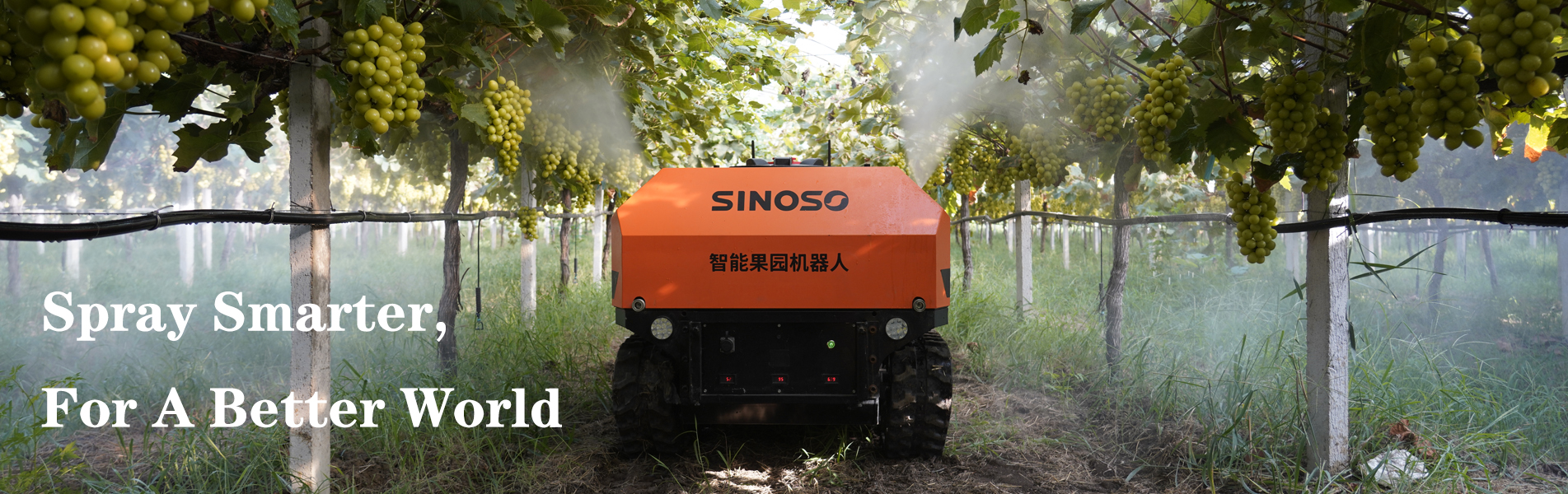
You face many challenges when protecting your orchard from pest threats. A traction-type air-blast sprayer gives you a powerful solution. This sprayer covers every part of your trees with precise mist, reaching even the highest branches. You save resources because the traction-type air-blast sprayer reduces water and pesticide use. Advanced technology in the traction-type air-blast sprayer increases your efficiency and keeps your crops safe. As an agricultural air-blast sprayer, this equipment lets you manage your orchard with confidence. The traction-type air-blast sprayer changes the way you control pests.
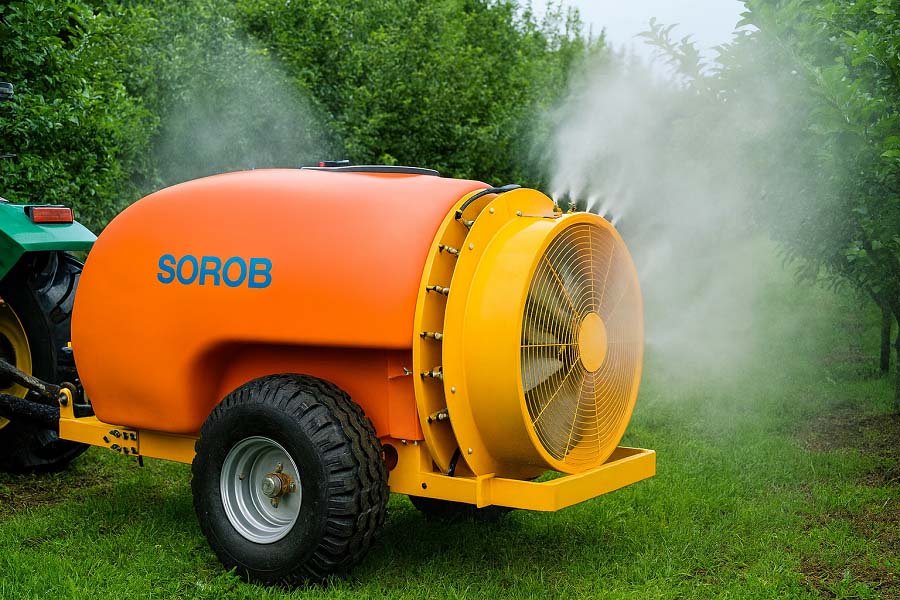
You gain several advantages when you use a traction-type air-blast sprayer in your orchard. The main tank holds a large volume of spray mixture, which means you can work longer without stopping to refill. The pump system pressurizes the liquid and sends it to the adjustable nozzles. These nozzles surround a high-capacity fan, which the tractor’s PTO shaft powers. The fan creates a strong airstream that carries the spray deep into the canopy.
Main tank for extended spraying sessions
Pump system for consistent pressure
High-capacity fan for powerful airflow
Adjustable nozzles for targeted application
Advanced control systems for precise spray patterns
The air-blast sprayer uses advanced air atomizing systems. These systems create smaller droplets, which improve coverage and precision. Multiple nozzle placements ensure even distribution across all leaf surfaces. Adjustable air speed lets you match the airflow to your orchard’s needs. Strong air streams penetrate dense foliage, reaching hidden areas where pests often hide. Some models include canopy sensors that direct spray only where needed, reducing chemical loss.
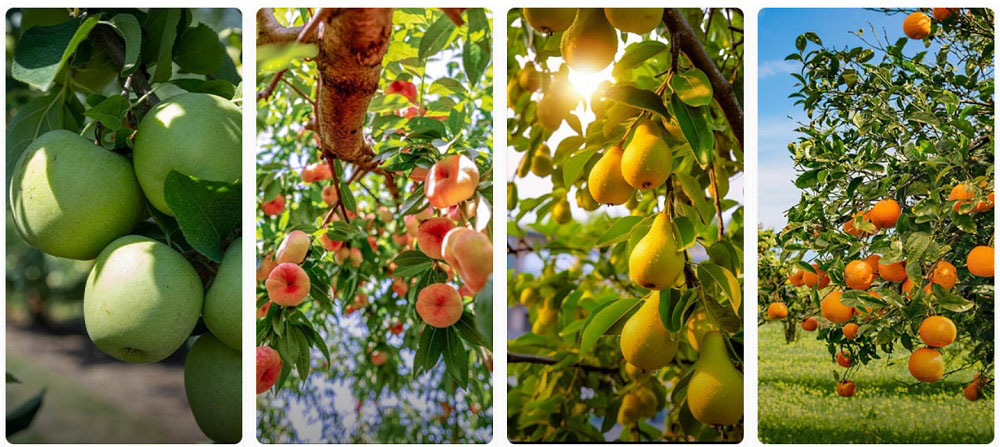
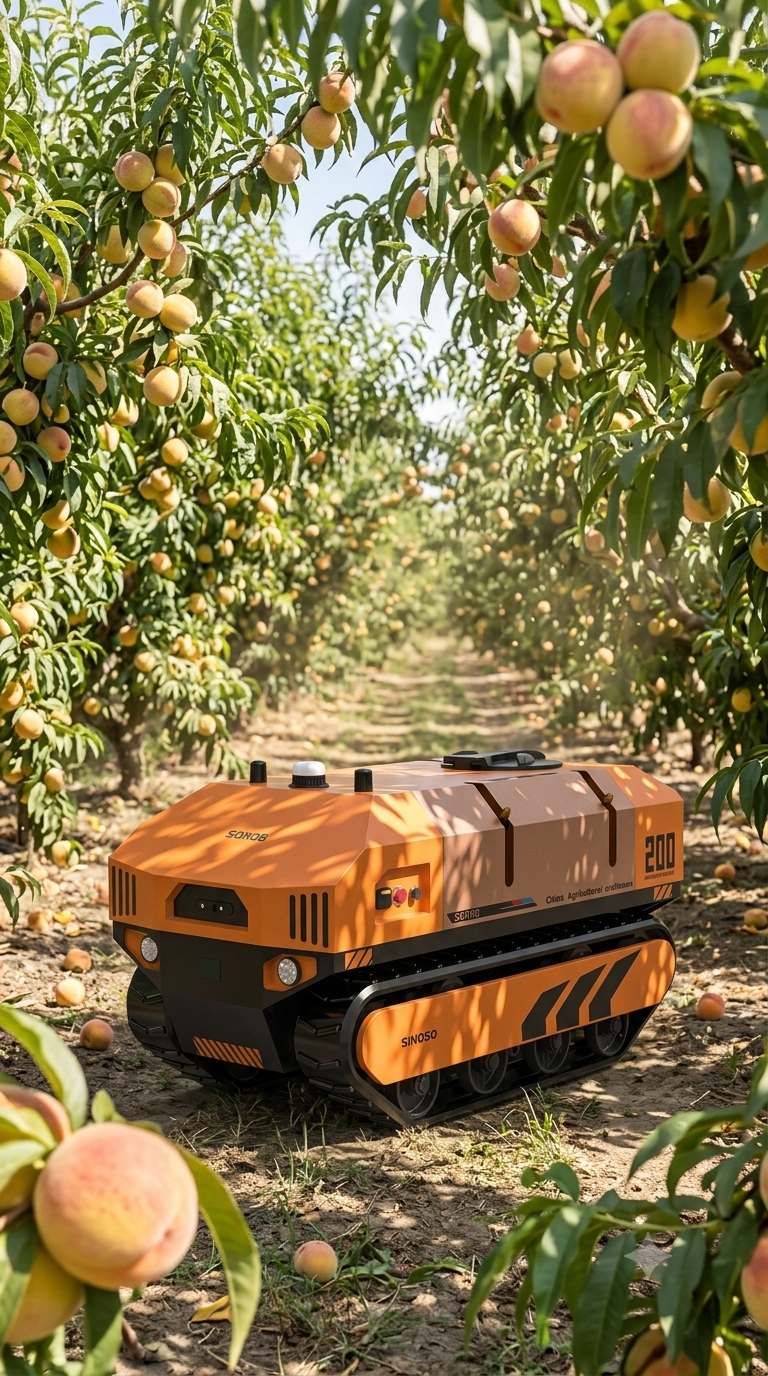
You find that air-blast sprayers fit a wide range of orchard conditions. They work well with apples, pears, grapes, peaches, and citrus fruits. The simple structure of the sprayer allows for easy operation and maintenance. Quick connection with the tractor’s rear suspension makes setup fast. High-quality diaphragm pumps provide stable flow and high pressure, which ensures effective spraying.
|
Feature/Advantage |
Description |
|---|---|
|
Compatibility with crops |
Suitable for grapes and fruit trees with various chemicals |
|
Efficiency |
Strong penetration and uniform spraying for effective pest control |
|
Equipment structure |
Simple design for convenient operation and maintenance |
|
Connection with tractor |
Quick rear suspension connection for easy use in orchards |
|
Pump quality |
High-quality diaphragm pump for stable flow and pressure |
|
Material durability |
Polyethylene tank resists pesticide corrosion |
|
Filtration system |
Three-stage filtration keeps debris out of the nozzles |
|
Atomization performance |
Good atomization and wear resistance for effective application |
|
Anti-drip device |
Prevents dripping after spraying, reducing risk of crop damage |
You can use air blast sprayers in different orchard layouts and crop types. Adjustable air vanes and nozzles let you set precise application rates. The sprayer’s design helps you optimize crop protection and minimize waste. Built with durable materials, air-blast sprayers deliver excellent coverage and help you achieve the best crop grades. Both large growers and custom spray contractors benefit from these features.
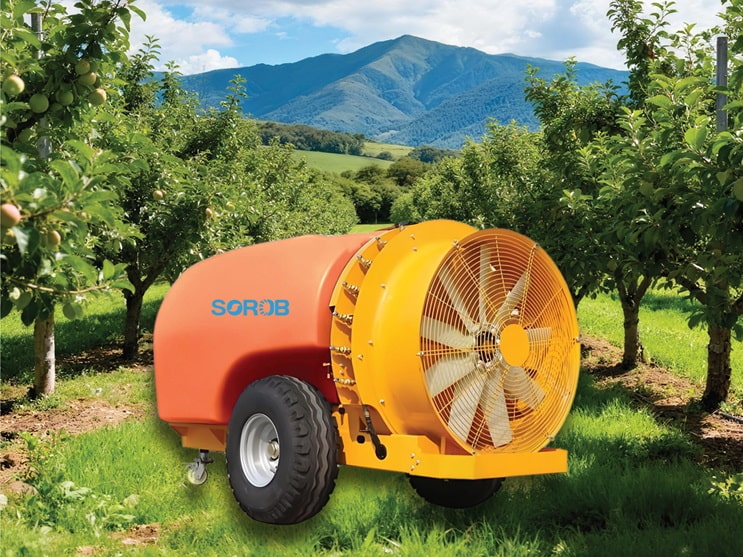
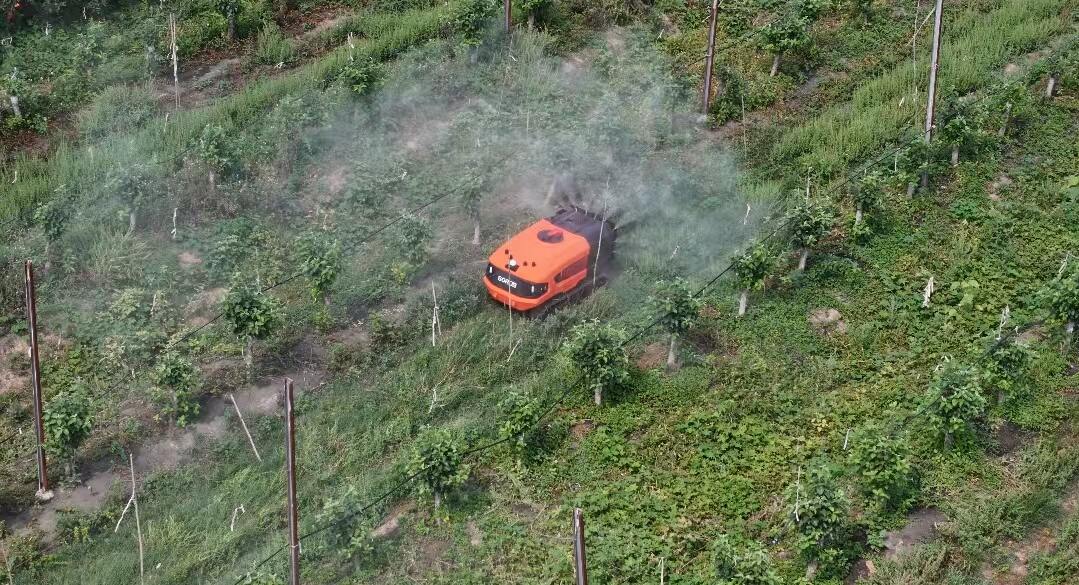
You achieve superior pest control in your orchard when you use air-blast atomization. The SOROB 2000D Intelligent Agricultural Air-Blast Sprayer features a powerful airflow system that produces a fan-shaped mist. This mist contains fine droplets that reach every surface of your trees. The 2000-liter tank allows you to spray for long periods without frequent refills, so you can cover more ground efficiently.
The air-blast sprayer uses a PTO-driven fan to create a strong airstream. This airstream carries the atomized spray deep into dense canopies. You can adjust the nozzles and airflow to match the needs of your orchard. This flexibility helps you target pests hiding in hard-to-reach areas.
The following table shows how air-blast atomization improves pesticide distribution in orchard environments:
|
Mechanism/Benefit |
Description |
|---|---|
|
Improved Droplet Deposition |
Air-assisted sprayers ensure that fine pesticide droplets are effectively deposited on target surfaces, enhancing pest control and reducing crop damage. |
|
Enhanced Atomization |
The air-liquid interaction in air-assisted nozzles leads to better atomization, resulting in smaller droplet sizes and more uniform distribution. |
|
Reduced Pesticide Consumption |
The coaxial air-liquid atomization can lower pesticide usage while maintaining effectiveness, thus minimizing environmental impact. |
You protect delicate crops with the gentle mist produced by the air-blast sprayer. The fine droplets coat every leaf and fruit without causing damage. This technology ensures that even sensitive crops like peaches and grapes receive thorough coverage.
You maximize your orchard’s protection and efficiency when you use an air-blast sprayer. The SOROB 2000D covers more than 20 hectares per day, saving you time and labor. The precision sectional control lets you apply chemicals only where needed, reducing waste and operational costs.
Air-blast sprayer technology offers several advantages over manual or conventional spraying methods:
Air-blast sprayers can reduce pesticide use by 38% to over 50%, leading to cost savings and environmental protection.
Orchard sprayers optimize chemical application, reducing waste and costs.
Advanced features minimize overspray, ensuring chemicals are applied only where needed.
Precision spraying applies chemicals directly to the tree canopy, minimizing waste.
Immediate savings for growers through reduced chemical usage.
Air-blast sprayers utilize powerful fans and adjustable nozzles to ensure uniform spray distribution. You minimize missed spots and chemical runoff, which enhances overall efficiency in orchard spraying. You also save water and pesticides, with the SOROB 2000D delivering over 30% resource savings compared to traditional methods.
You benefit from these key features:
Uniform spray coverage reaches every part of the tree, including the topmost branches and hidden spots, protecting the entire tree.
Efficient chemical use minimizes wastage by directing the spray precisely where needed, reducing drift and overspray.
Time-saving operation covers large areas quickly, reducing the time spent on spraying tasks.
Eco-friendly design results in less chemical drift and wastage, supporting sustainable farming.
Versatility allows you to use the air-blast sprayer in different crop types and terrains.
You ensure that your orchard receives complete protection from pests while maintaining high efficiency and sustainability. The SOROB 2000D stands out as a reliable partner for modern orchard management.
You set the foundation for effective pest control by preparing your air blast sprayer correctly. Start by reading the operator’s manual for your specific model, such as the SOROB 2000D. This sprayer features a user-friendly design that makes setup straightforward. You connect the sprayer to your tractor’s PTO, check all hoses and fittings, and ensure the tank is clean before filling.
Follow these steps for proper setup and calibration:
Calibrate your air-blast sprayer to ensure the correct amount of pesticide application. Use measuring devices or water-sensitive cards to check the spray pattern.
Inspect nozzle height and spacing. Adjust the nozzles so the spray reaches all parts of the tree canopy.
Test the sprayer under the same conditions you will use in the orchard. This helps you identify any issues before actual spraying.
Record your settings and calibration results. Keeping accurate records helps you repeat successful applications in the future.
You maximize coverage and minimize waste by using best practices during pesticide application. The SOROB 2000D’s precision control features, such as automatic nozzle control and sectional spraying, help you target only the areas that need treatment. This reduces chemical use and environmental impact.
Consider these best practices for optimal results:
Adjust the airflow and spray pressure to match the density and growth stage of your orchard. This ensures even coverage and prevents missed spots.
Use location-based prescription maps if available. These maps direct the sprayer to apply pesticides only where pests are present.
Monitor travel speed. Maintain a consistent speed to ensure uniform distribution of the spray.
Focus on problem areas. Precision spraying allows you to concentrate on sections with higher pest pressure, reducing unnecessary application.
Keep detailed records of each application. This helps you track what works best for your orchard.
Here is a table showing how precision control features in the SOROB 2000D help you minimize waste:
|
Feature |
Benefit |
|---|---|
|
Automatic nozzle control |
Ensures targeted spraying, reducing waste. |
|
Location-based prescription maps |
Directs application to specific areas only. |
|
Efficient resource use |
Minimizes chemical waste and environmental impact.. |
You avoid common mistakes by staying alert and following proper procedures. Many operators make errors that reduce the effectiveness of pest control and increase costs.
Watch out for these frequent mistakes:
Improper nozzle adjustments can lead to uneven coverage and missed areas.
Inaccurate travel speed affects how much pesticide reaches each part of the tree.
Failing to check downwind coverage may cause over-application and waste.
Not turning off downwind nozzles when not needed increases chemical use.
Spraying in poor weather conditions, such as high wind or rain, leads to poor application and drift.
You can prevent these mistakes by:
Regularly calibrating your air-blast sprayer to match orchard conditions.
Adjusting nozzle settings and spray pressure for even coverage.
Training all operators on correct equipment use and maintenance.
Timing sprays based on pest life cycles and weather forecasts.
Ensuring everyone wears proper personal protective equipment during operation.
By following these operation tips, you ensure your air blast sprayer delivers the best possible protection for your orchard. You save resources, reduce waste, and achieve consistent results with every application.
You keep your air-blast sprayer in top condition by following a regular maintenance routine. This practice extends the life of your equipment and ensures reliable performance in your orchard. Here are the essential steps you should follow:
Check the tires for cracks and wear. Make sure the tread is deep enough and adjust the tire pressure as needed.
Winterize your sprayer before long-term storage. Triple rinse the tank using 10% of its capacity with clean water. Flush all components to remove any residue.
After rinsing, circulate RV antifreeze with a rust inhibitor through the plumbing. This step prevents freezing and corrosion during cold months.
Inspect your sprayer weekly. Walk around the machine to spot small issues early. Check for proper agitation in the tank and examine the fan for any defects.
Maintain the PTO shaft by keeping it level when attached to your tractor. Grease all connection points after each use to reduce wear.
You protect yourself, your workers, and your crops by following safety guidelines every time you operate your air-blast sprayer. These steps help you manage pesticide drift and improve application accuracy:
Adjust air deflectors and nozzles to control where the spray goes and minimize drift.
Match droplet size to the label recommendations by changing nozzle settings and pressure.
Skip the outer rows on the downwind side to create a buffer zone and reduce off-target spray.
Plant windbreaks around the edges of your orchard to filter and slow down drifting spray.
Use modern sprayer designs, such as tower or tunnel types, for better canopy coverage.
Always observe the spray direction and keep it within the tree canopy.
You gain powerful advantages when you use traction-type air-blast sprayers for orchard pest control. These sprayers deliver excellent coverage, high efficiency, and significant resource savings. The SINOSO Trailed Air Blast Sprayer stands out with its large tank, wide spray pattern, and advanced technology.Welcome to inquire.


Tel : +86-025-87150950
Email : globalsales@sinosorob.com
N0.2229, Tianyuan East Road, Jiangning District, Nanjing City, Jiangsu Province, China
Leave a Message

 +86-025-87150950
 globalsales@sinosorob.com
 +86 15366193219